“I’m going to ask you a series of questions and I want you to answer them from the following choices: no days, some days, most days, everyday.”
The nurse proceeded to give me a quick depression inventory. A depression inventory is a psychometric test that checks the severity of depression. It’s a list of questions that you answer – from there your answers are scored to determine if and how severe your depression may be. My answers surprised even myself. Feeling the need to justify and explain away my answers I blurted out “It’s just grief!”
I realized as soon as I said it that it doesn’t matter if it’s “just grief,” I’m still experiencing classic symptoms of depression – situational or not.
According to the Diagnostic and Statistical Manual of Mental Disorders (DSM-5), people experiencing five or more of the following symptoms during the same 2-week period and at least one of the symptoms should be either (1) depressed mood or (2) loss of interest or pleasure:
- Depressed mood most of the day, nearly every day.
- Markedly diminished interest or pleasure in all, or almost all, activities most of the day, nearly every day.
- Significant weight loss when not dieting or weight gain, or decrease or increase in appetite nearly every day.
- A slowing down of thought and a reduction of physical movement (observable by others, not merely subjective feelings of restlessness or being slowed down).
- Fatigue or loss of energy nearly every day.
- Feelings of worthlessness or excessive or inappropriate guilt nearly every day.
- Diminished ability to think or concentrate, or indecisiveness, nearly every day.
- Recurrent thoughts of death, recurrent thoughts of suicide without a specific plan, or a suicide attempt or a specific plan for committing suicide.
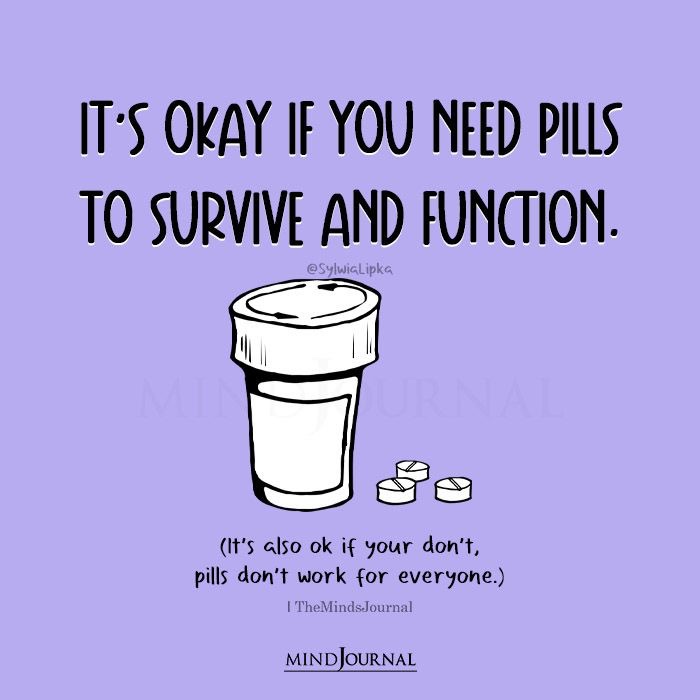
…I hit most of them. My primary care provider suggested a low dose of an antidepressant. At first I refused, I wasn’t open to the idea of trying an antidepressant. A replay of the past year and all the things that have happened and the struggles I’m having now clicked on in my mind. Ultimately I decided there’s nothing wrong with getting a little help.
So here we are…the first step is awareness, the second step is asking for/accepting help, and then the constant path before us is healing, learning, and growing. There’s nothing wrong with taking mental health medication to help you along your journey.
If you’re unsure if you’re in a cycle of depression, I encourage you to go back and reread the DSM-V criteria I listed above. Ask yourself the criteria in the form of questions: “Do I have depressed mood most of the day, nearly everyday?” etc. If you answer yes to 5 or more of the questions, and these symptoms are negatively effecting your day-to-day life, chances are you are experiencing depression and could benefit from talking with your healthcare provider and/or mental health therapist.
To take a depression inventory, simply answer the questions and hit “Score My Answers” at https://psychology-tools.com/test/major-depression-inventory
 Unbound Light